


Ten Years On: Why Sprawl Repair is even More Vital in the Age of COVID-19
Ten years since the original publication of Sprawl Repair Manual, the ideas and solutions it contains are even more urgent and needed than ever. COVID-19 has brought the suburbs to the forefront of the conversation and made them the focus of yet another round of speculation as the next “escape grounds” from the dangers of urbanity. The compounding global crises are upending standards and collapsing systems across industries and governance, and setting off a series of unfolding socio-economic phenomena, which require an adaptive response in urban design and development.
Why are the suburbs still so compelling following the unprecedented renaissance of many downtowns in the past two decades? As cities grow increasingly dense and expensive, more people have been relocating to the suburbs. Even before the pandemic, Millennials (the largest generation in the U.S. labor force) were settling down and starting families in the suburbs. Affordability, decent schools, employment opportunities, and now the pandemic-induced search for easier access to open space are among the main drivers. In fact, the suburbs represent the largest percentage of development in the U.S. for the last 70 years. Since 2010, approximately 80% of all jobs were created in the suburbs. Tech giants are expanding to the suburbs. Apple, Tesla, Amazon and other companies have recently chosen suburbs of Austin, Texas as the site for their expansion. Even with the seemingly endless barrage of Zoom meetings, remote working and schooling, these expansions will continue.
Why do we speak of repairing the suburbs? Traditional shopping malls and big-box retail, which have characterized suburban areas in the past have lost traction with the rise of e-commerce – a tendency strengthened by the pandemic. They leave behind underutilized real estate and inactive commercial properties, which are suitable for adaptation for a number of reasons: first, they are accessible by thousands of households; second, they have an existing infrastructure that can be repurposed, and third, they often have large, single-ownership parcels suitable for redevelopment and infill. Not the least of the reasons for repairing sprawl is the inherent sustainability of reinventing already-disturbed real estate rather than expanding into green space.
Which of the Sprawl Repair techniques, originally outlined in the book, remain relevant? Here are some ideas and techniques that can be useful:
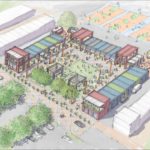
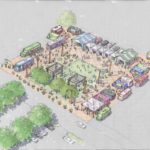
Reclaiming parking lots of empty malls and shopping centers. They can be redesigned into temporary use for successional development, parks, or even local food production. This technique includes keeping some existing buildings that can be gradually replaced by new ones, but reorganizing the space in front of them into a green or a square, channeling the circulation close to the storefronts, and creating a useful civic space.
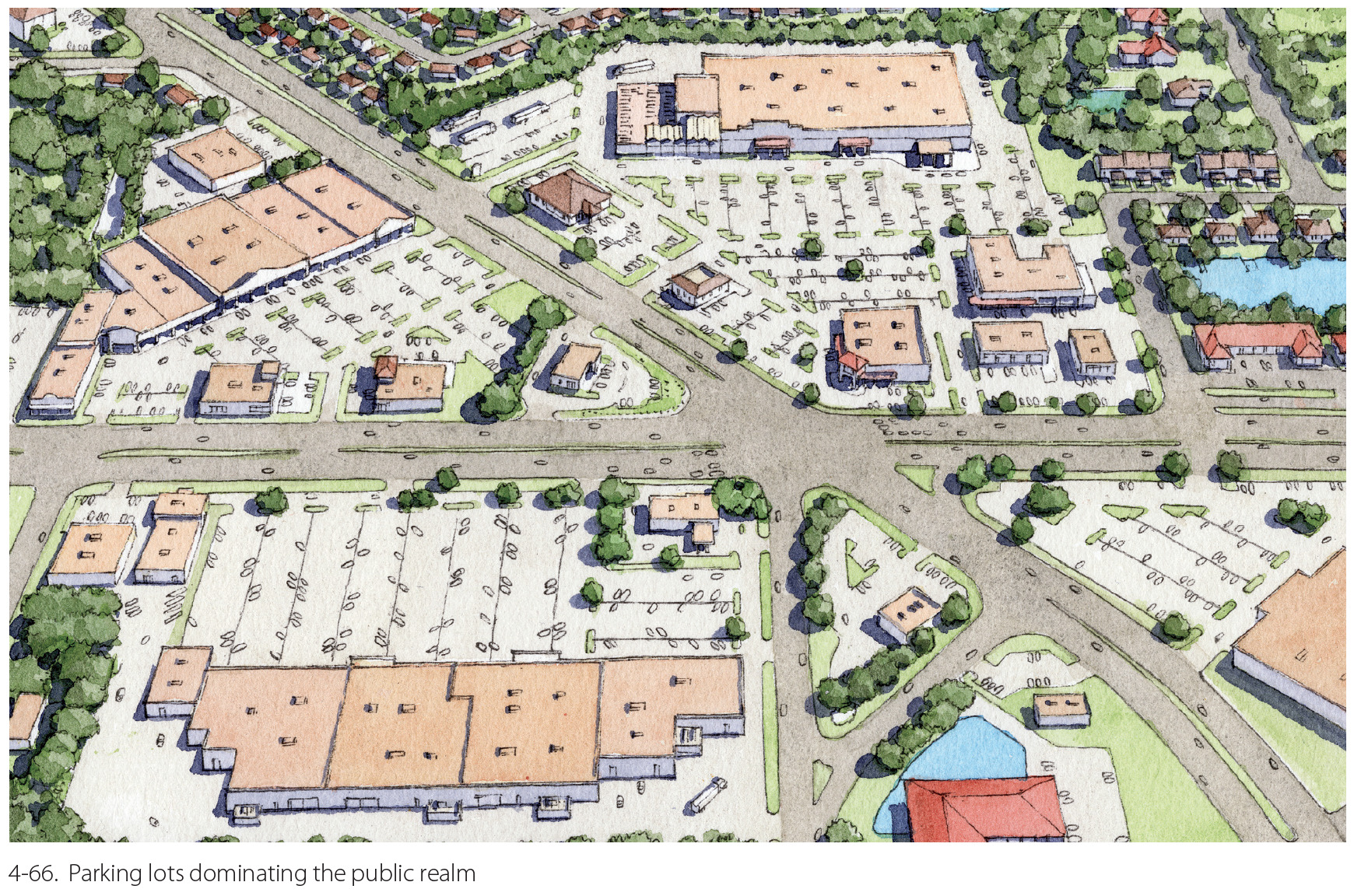
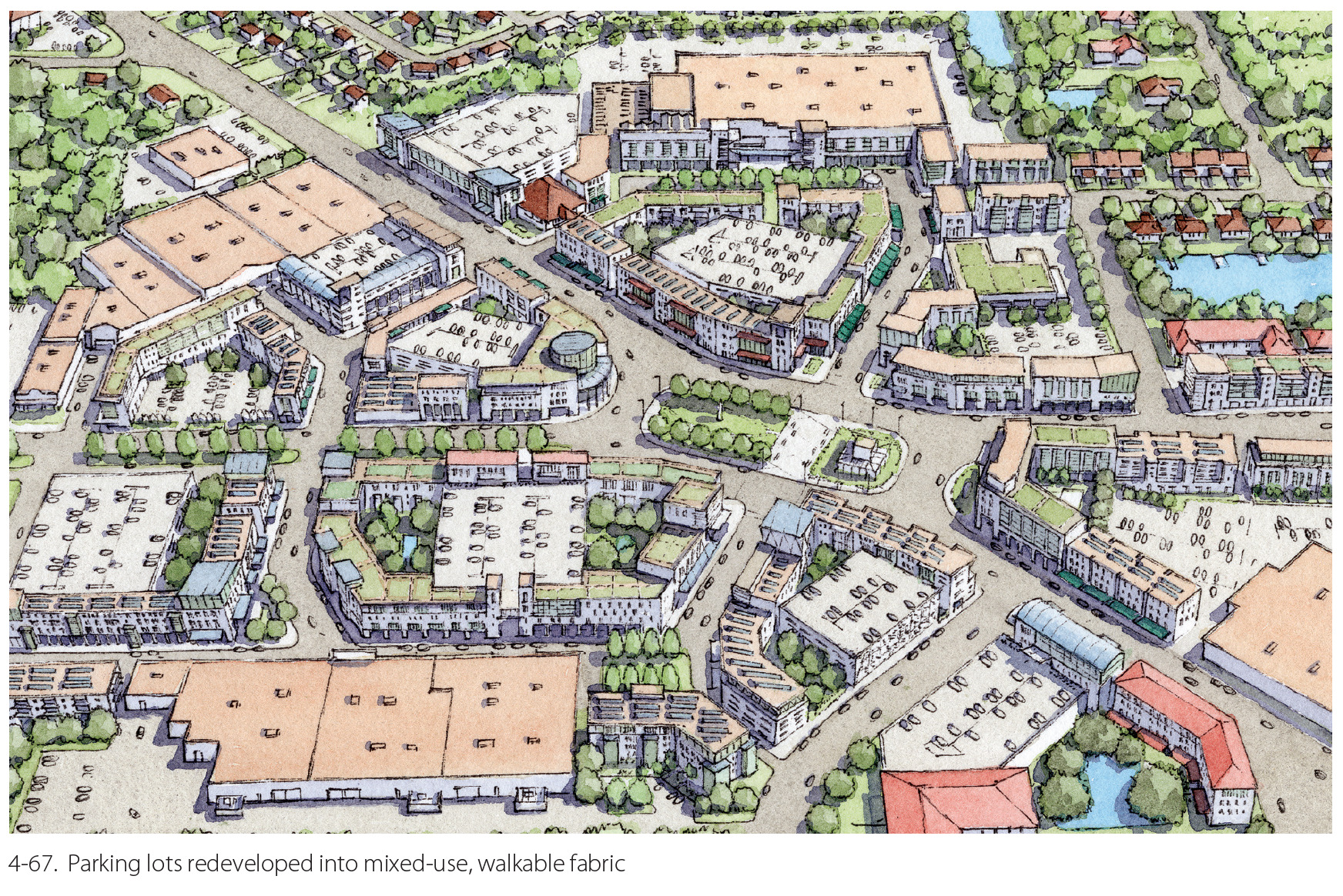
Malls and shopping centers’ existing structures can be utilized by turning them into senior and affordable housing, live/work units, educational facilities, among other uses. Other interventions are to partially or fully demolish a structure to make way for something more useful, such as a village center. The new buildings could provide for natural ventilation and daylighting, a health benefit especially during a contagion health crisis. Also, passive solar systems and gardens can be introduced on existing and new roofs.
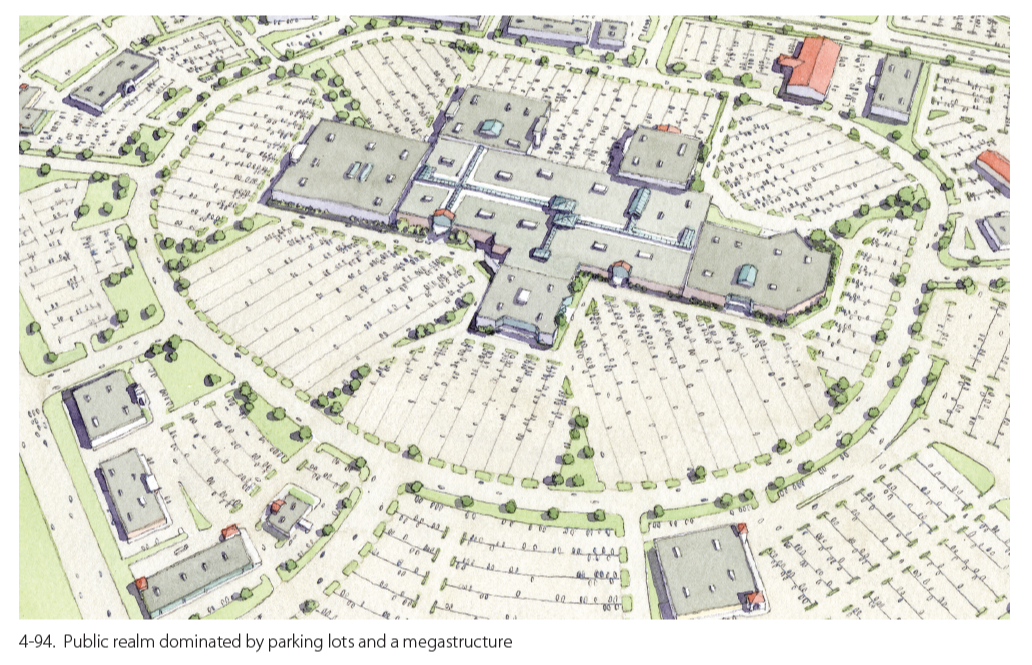
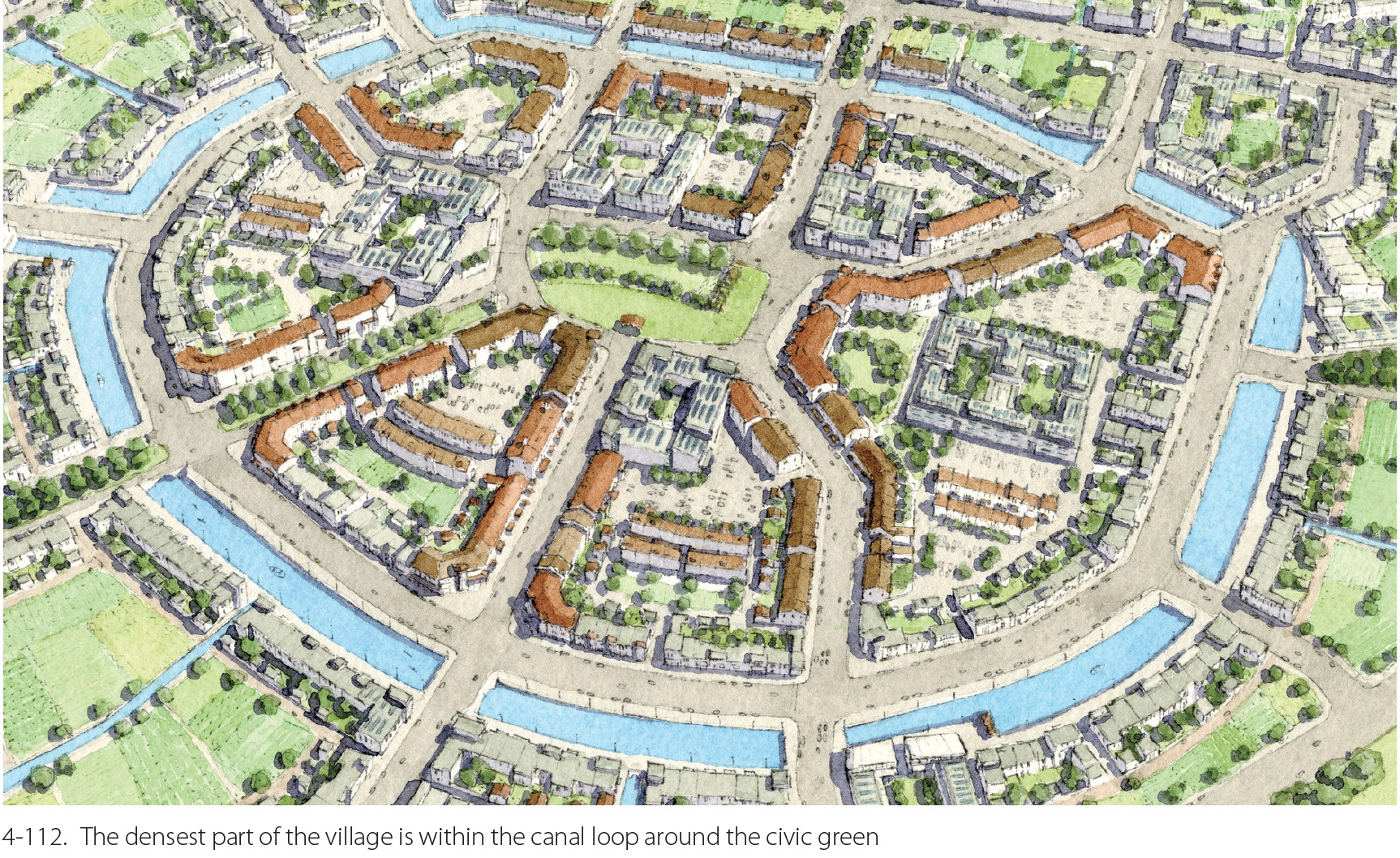
Business parks can be retrofitted to convert existing office buildings into residential uses such as lofts, as well as build a local culture of entrepreneurship and incubate small businesses. This technique creates co-working spaces in suburban office campuses to prevent driving commutes to downtowns. This will spur local commerce and help create dynamic, 24/7 communities.
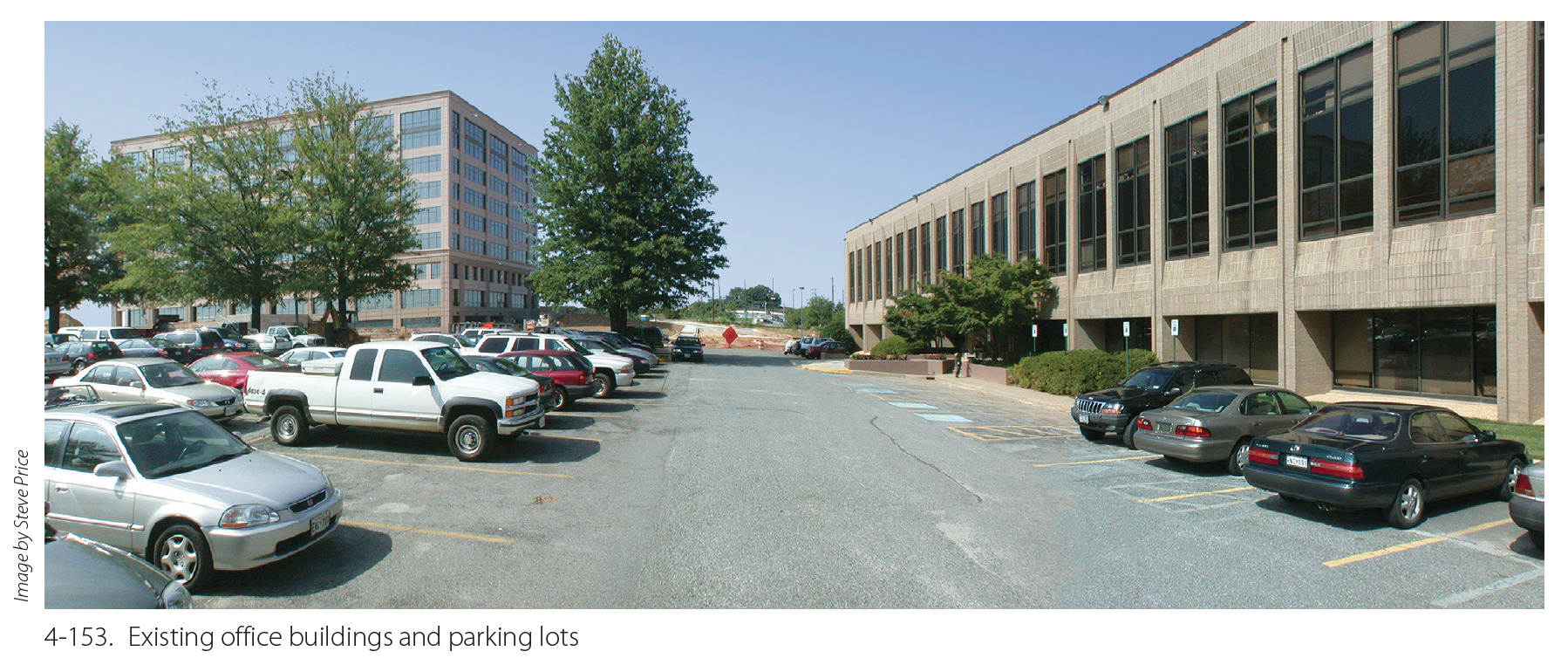
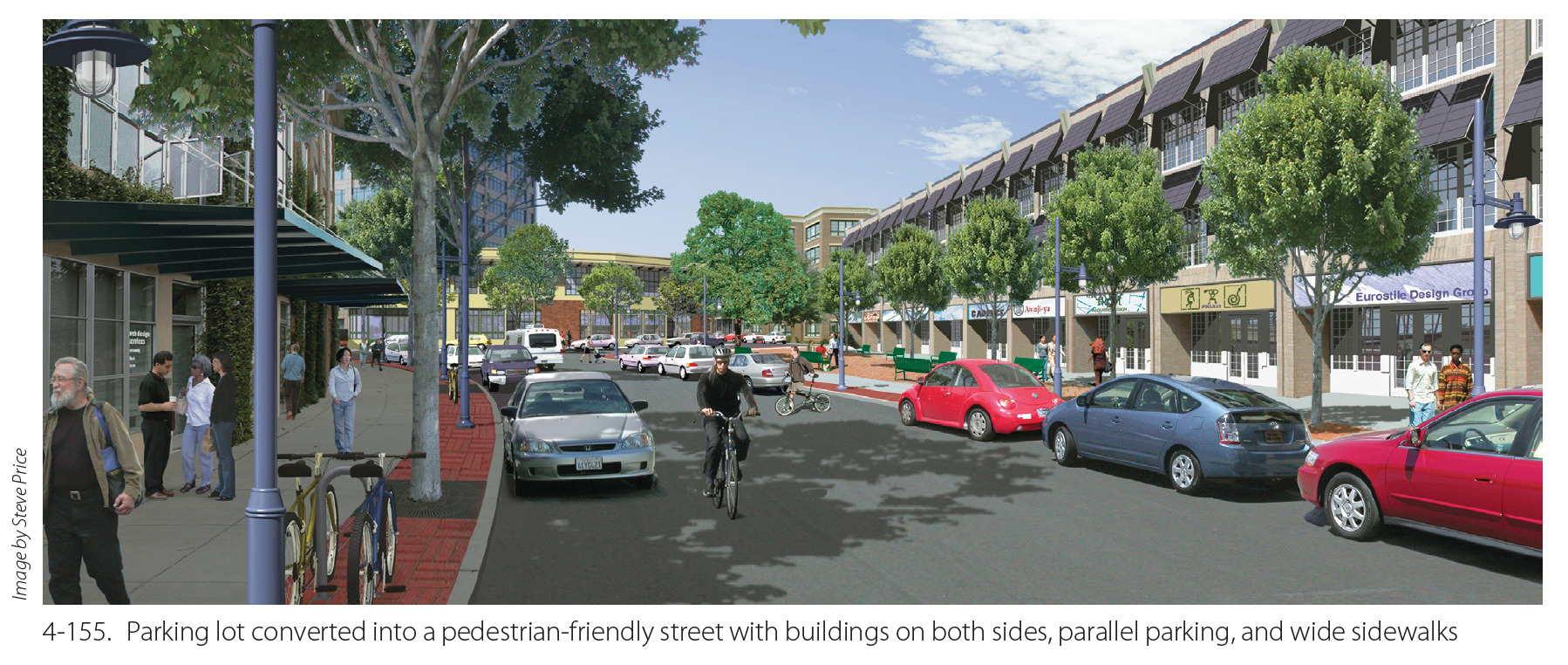
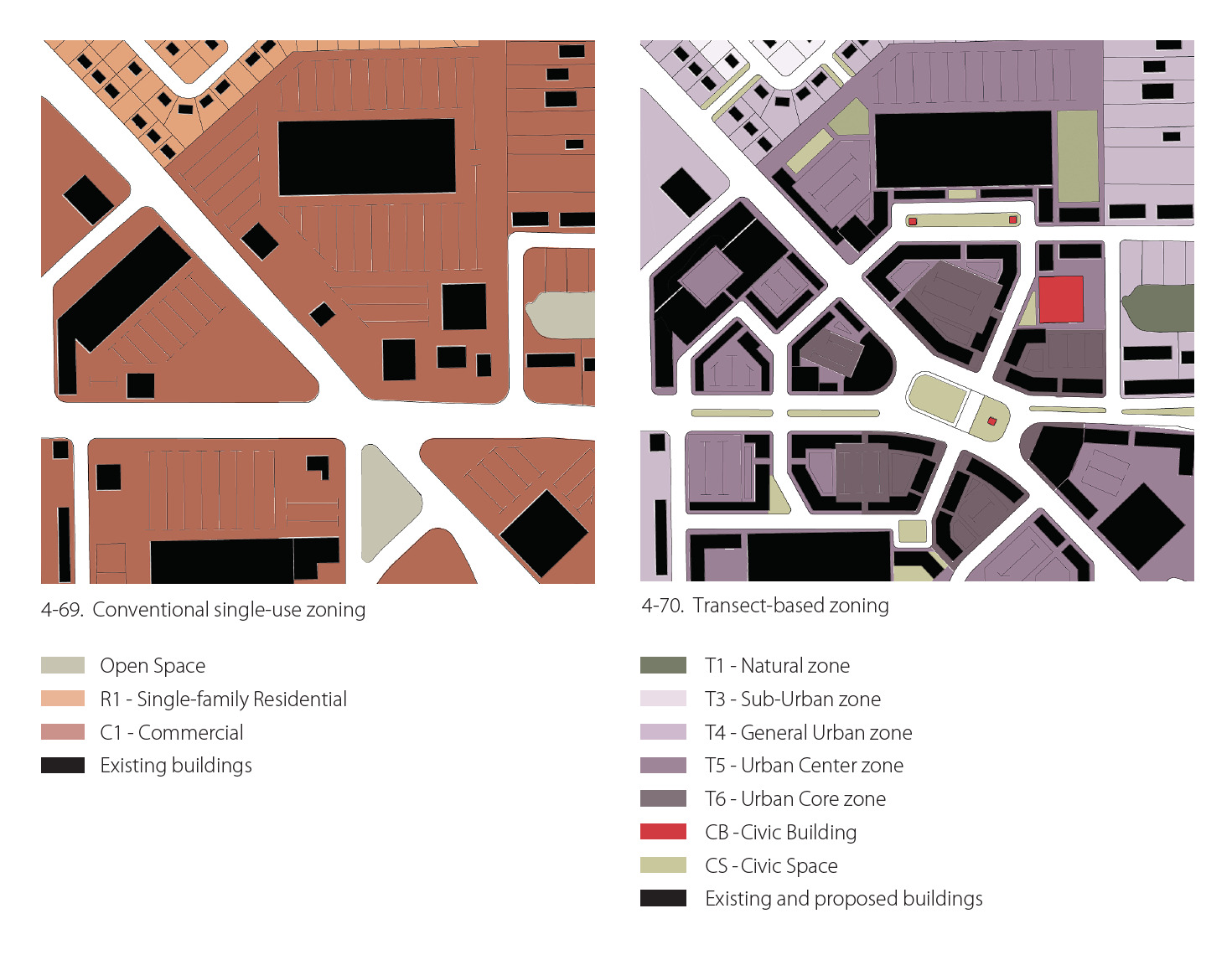
Zoning codes should be changed to allow for sprawl repair and the restructuring of stranded assets. The existing regulatory practices in many suburbs still limit the opportunities for mixed-use and retrofit. Suburbs should revisit these codes to allow for some change to take place. Introducing Lean Urbanism codes that are less cumbersome will reduce red tape and allow for more flexibility such as ADU’s and a variety of building types in single-use suburban enclaves.
These are just some of the techniques outlined in the book, and there are others that are suited to the needs of our time, including reversing gas stations and reallocating the pattern of single-family housing. All options should be examined, as repairing and reclaiming sprawl instead of creating it anew will help revitalize the suburbs and bring economic opportunities not only to property owners, developers, and municipalities, but also to younger entrepreneurs. Existing and new residents will benefit from a blend of public spaces, and walkable mixed-use amenities not currently available in the suburbs. The Sprawl Repair Manual contains more techniques that are applicable to our current predicament.
Sprawl Repair and Adaptation
The realities of climate change in our collective experience is inescapable; members of the Congress for the New Urbanism (CNU) continue to explore important questions about the (not-so-distant) future: Where and how will humanity live as sea levels rise and other phenomena like volatile weather, resource depletion and pollution worsen? Since these are certainties rather than merely threats, the focus turns to adaptation over prevention. For nearly thirty years, the CNU has been advocating for adaptive responses to environmental deterioration in the form of eco-friendly, people-centric, walkable communities. New urbanists have also identified retrofit or the repurposing of suburban assets to create dynamic mixed-use centers, as an effective adaptive approach to the environmental changes coming our way.
Why Adaptation in the suburbs? Sprawl contributes to climate change, with CO2 exponential increase from driving. Dense, urban cities are more vulnerable to natural disasters and less flexible for adaptation, because of large concentrations of population, high-rise construction, and complex infrastructure systems that can be easily fractured. In that sense, suburbs that can accommodate retrofit may be better positioned for adaptation.
What is retrofit, also known as sprawl repair, and when did suburbia become popular again? Sprawl Repair is a method of transforming auto-centric places into more complete, mixed-use, less car-dependent communities. As cities grow increasingly dense and expensive, more people are relocating to the suburbs. Millennials, the largest generation in the U.S. labor force, are settling down and starting families in the suburbs. Affordability, decent schools, and employment opportunities are among the main drivers. In fact, the suburbs represent the largest percentage of development in the U.S. for the last 70 years. Since 2010, approximately 80% of all jobs have been created in the suburbs. Even tech giants are expanding to the suburbs. Apple recently chose a suburb of Austin, Texas, as the site for its new headquarters.
By 2050, the U.S. will grow by an additional 100 million people. The urban centers and even the first ring of suburbs will not be able to house everyone. The redevelopment of the second and third generations of suburbs will be imperative. The retrofitting of suburbia ensures that the next generation has more sustainable and desirable places to live in the coming decades.
Traditional shopping malls and big-box retail that have characterized suburban areas in the past have lost traction with the rise of e-commerce or have simply not remained current. Either way, they leave behind underutilized real estate and inactive commercial properties, which can be repurposed to create much needed urban centers within suburban municipalities. This is already happening. New urbanists are redeveloping parking lots of active malls to revitalize malls and towns. A developer in Columbus, Ohio, is investing $500 million dollars to expand an existing lifestyle center into a town where people can live, work, and enjoy bars and restaurants – experiences that traditionally motivated people to move to cities.
Suburban areas are suitable for adaptation for a number of reasons: they have an existing infrastructure that can be repurposed, they are geographically accessible, and they may have large parcels of land for local food production. When these suburbs are situated on high ground away from rising sea levels, they become ideal locations for adaptation. We should focus our efforts on intensifying adaptation in suburban places with existing infrastructure in these six ways:
- Retrofit parking lots and structures so that they can be used as something current and useful. For example, an empty mall can be turned into office headquarters, educational or civic centers, or even storage facilities. Other interventions are to partially or fully demolish a structure to make way for something more useful, like a park or local food production amenity.
- Build a thriving local culture of entrepreneurship and small businesses. Create co-working spaces like We-Work or Buro in adapted big boxes or suburban office parks to prevent driving commutes to urban areas. This will spur local commerce and help create dynamic, 24/7 communities.
- Activate successional growth methods rather than build all at once, in the way employed by retail, food courts, and other commercial and social activities in Wynwood in Miami, Florida. These places can become social hubs – not focused solely on retail – but on interaction, entertainment, and the arts.
- Incorporate innovative residential buildings like Bento Cabins housing and mobile homes in the underutilized parking lots of suburbia. Such initiatives help to rectify the employment-housing imbalance that plagues both affluent and struggling suburban communities. By offering a wide variety of housing types, more people are able to live and work in close proximity instead of commuting far distances.
- Change zoning codes to allow for sprawl repair and restructuring assets. The existing regulatory practices in many suburbs limit the opportunities for sprawl repair. Suburbs should revisit these codes to allow for retrofitting to take place. Introduce Lean Urbanism codes to reduce red tape, and allow for more flexibility such as ADU’s and mixed-use in single-use suburban enclaves.
- Steer residential builders to engage in retrofit and repair. Residential builders are in a unique position to build desirable living spaces and take underutilized suburban spaces and transform them into more useful community assets.

Again, there are few, if any, alternatives to the need for adaptation. Even if humanity were to stop all carbon dioxide emissions in this moment, the carbon dioxide levels on the planet would still increase. The best we can do at this point is to focus our efforts on adapting to a new world. Repairing and reclaiming sprawl, instead of creating it anew, may be our best bet at survival. It will take urban planners working in co-operation with suburban leaders and residents to help us meaningfully prepare for the coming challenges. Only then will we have the chance to survive, and maybe even thrive.